


Building Climate Resilience Through Community Partnerships: Learning
- Community and College Partnership Program
- 3 hours ago
- 4 min read

Together in Dulac, Louisiana
There is no substitute for learning directly from the people whose lives and communities are at the heart of the work. This summer, students from Columbia University and the University of California, Santa Barbara traveled to Dulac, Louisiana, where they partnered with the Grand Caillou/Dulac Band of Biloxi-Chitimacha-Choctaw to deepen their understanding of climate adaptation, resilience, and community-driven planning. The visit represented more than a field experience it reflected the mission of the Community and College Partnership Program, which believes that meaningful solutions emerge when academic institutions and communities work together through trust, respect, and long-term relationships. Led by Mike Burns, whose partnership with the Grand Caillou/Dulac Band spans generations of tribal leadership, the trip allowed students to move beyond research papers and data sets to engage directly with the people shaping climate resilience on Louisiana's vulnerable coast.
Learning Beyond the Classroom
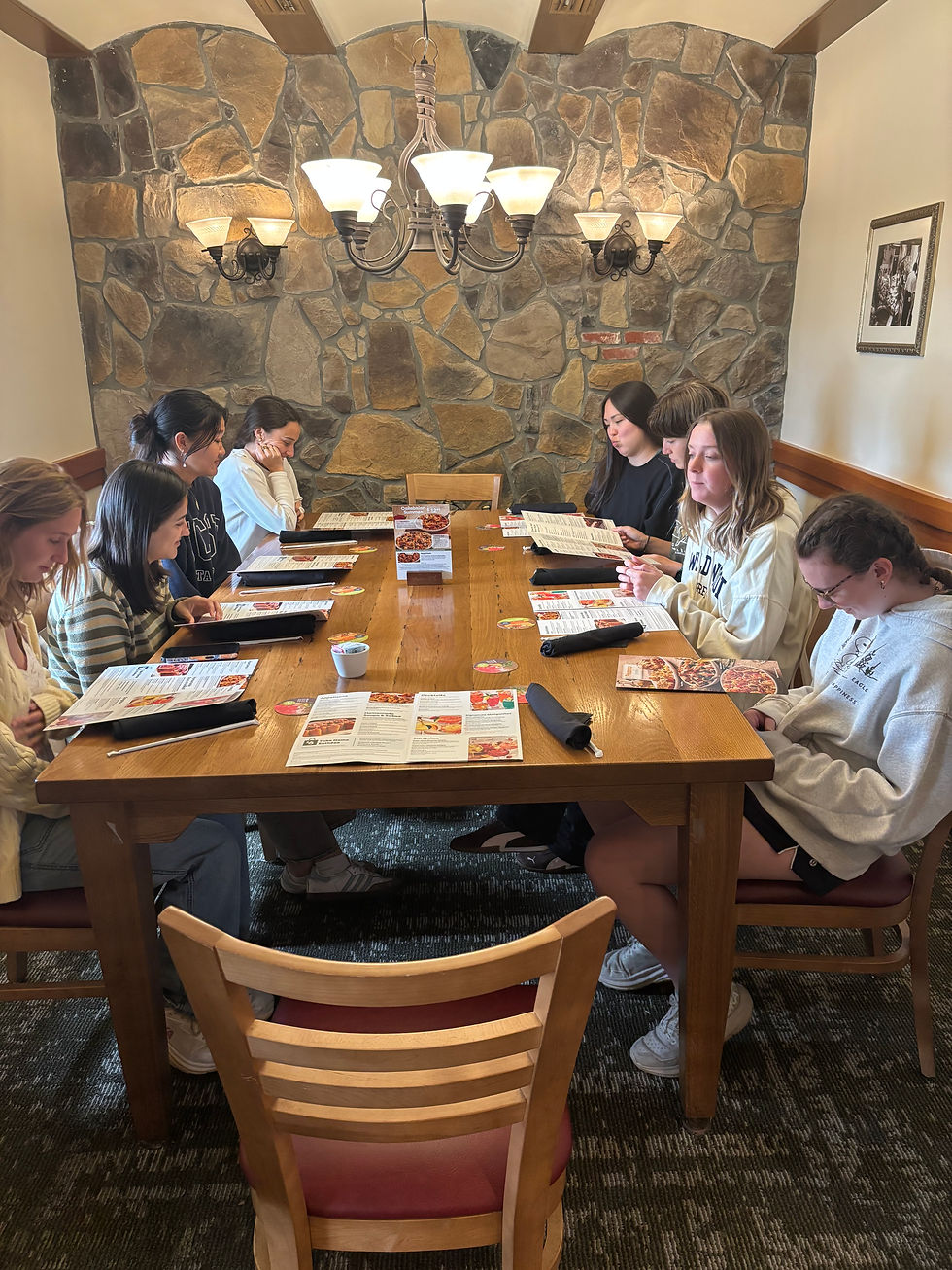
Throughout the visit, students met with tribal leadership, toured the community, shared meals, and listened to stories that provided invaluable context for the climate adaptation projects they had been developing. For Tiffany Sun, a master's student at the University of California, Santa Barbara, the experience transformed the way she viewed the project.
"Visiting Dulac and meeting with the Grand Caillou/Dulac Tribe's Chiefs in person added a layer of depth to the project that could not be reached through traditional research alone. I enjoyed sharing ideas over a meal with community members and researchers from another school. It was special to hear their stories and feelings about their lived experience and hopes for the future.
I learned so much on a personal and professional level about community collaboration, resilience, and creativity. The tour of Dulac introduced a richer perspective on the culture and infrastructure we spent the weeks leading up to the visit researching. Overall, the visit provided intangible context and gave a deeper purpose to the deliverables of the project."
Her reflection highlights one of the greatest strengths of community-engaged scholarship: relationships create understanding that cannot be replicated in a classroom.
The Power of Trusted Partnerships
For the Grand Caillou/Dulac Band of Biloxi-Chitimacha-Choctaw, the visit represented years of relationship-building founded on mutual respect and shared purpose. Chief Devon Parfait reflected on the importance of Mike Burns' longstanding partnership with the Tribe.
"It was truly an honor to have Mike Burns come out with the students this summer. Not only did it offer the students an opportunity to learn from our community directly about what it means to live here now and historically, but it was also a chance for them to learn how much generational and trusted partnerships matter, as Mike has now worked closely with two generations of leaders within our community.
Mike Burns has proven that amazing work is possible by staying connected with community, and working through the community's priorities rather than imposing someone else's. It was fulfilling to see how fruitful this visit was for everyone involved, and because of that trust, one of our leaders who doesn't normally present or speak felt comfortable sharing her story and work that gave important context into why we are moving forward with our resilience planning and adaptation strategies.
I am looking forward to many more years of work with Mike, and I am thankful that we had the opportunity to all come together in solidarity with each other, as we all grapple with how we can contribute our time and resources to improve our lives and communities, and to find the ways that work."
Chief Parfait's remarks underscore a central principle of the Community and College Partnership Program: sustainable impact is built through listening, collaboration, and honoring community leadership.
Student Reflections
The Columbia University students echoed similar sentiments, emphasizing how the visit fundamentally changed their understanding of climate adaptation work.
Anna Comstock shared:
"Our trip to Dulac, Louisiana, added a layer of humanity and connection to our work that many research projects in higher education lack. With this experience, we were able to be face to face with the community members with whom we were collaborating and, with trust, see into the mental map of the struggles they are facing. Here, I felt the weight of the climate adaptation work we are doing."
Dara Towriss reflected on the importance of allowing the community to shape the experience.
"The trip was so important because it allowed me to see and understand how a vulnerable Tribal and coastal community is dealing with climate change and political barriers. We often read about climate or environmental justice communities, but it is different to be welcomed by them and listen to their experiences and stories.
I appreciated that our group, led by Mike, did not come into Dulac with a super strict agenda. Some things had to be pushed around because of the weather, but we simply followed what the Tribe could give and receive in the moment. That flexibility allowed us to gain a richer understanding of Dulac, its history, and its people.

Mike's work has always been driven by asking how they can help communities, and that really shone through during our trip, where we learned about the Tribe's struggles with political neglect, underrepresentation, poverty, and climate change in their small coastal bayou town."
Cianna Salvatora emphasized how the visit strengthened the purpose behind the students' work.
"The importance of the trip goes way beyond just getting firsthand information to support our project. It helped me understand the challenges they are facing in Dulac on a much deeper level. We not only saw the devastation from previous storms, but we also witnessed the incredible resilience and accomplishments of the community despite those challenges.
Meeting people in person, hearing their stories, and learning about their culture gave us insight and perspective that I don't think we could have gained otherwise. The trip reinforced how important this work is and how much more still needs to be done."
A Model for Community-Engaged Research
The Community and College Partnership Program continues to demonstrate that impactful research begins with relationships. By bringing together universities and communities as equal partners, students gain invaluable real-world experience while communities help shape research that reflects their priorities, values, and vision for the future. The visit to Dulac served as a reminder that climate resilience is not only about infrastructure, policy, or science it is about people, culture, history, and the partnerships that empower communities to build stronger futures together. As these collaborations continue to grow, so too does the opportunity to prepare the next generation of leaders who understand that the most effective solutions are created not for communities, but with them.

Comments